When you sell a view home in Kerrville, you are not just selling square footage. You are selling a daily experience that can feel hard to measure but easy for buyers to notice. If you want to protect your asking price and attract serious interest, it helps to understand how Kerrville buyers evaluate river, bluff, and Hill Country views. Let’s dive in.
Why Kerrville view homes stand apart
Kerrville’s identity is tied closely to the Guadalupe River, scenic hills, parks, trails, and the river corridor. City planning materials also show a clear focus on protecting scenic views, slopes, escarpments, and the area’s visual character. That matters because it reinforces what many buyers already feel when they tour these properties.
For you as a seller, that means a view home often operates like its own submarket. A home with a compelling outlook may compete differently than a similar home without one, even if the two properties are close in size or location. Research also shows that buyers do pay for views, but the premium is highly specific to the property and setting.
The view is the amenity
In many Kerrville homes, the view is not just a nice extra. It can be one of the main reasons a buyer wants the property in the first place. That is especially true when the home captures the landscape from primary living spaces instead of only from a balcony or back corner of the yard.
Not all views carry equal value
Two homes may both say “Hill Country views,” but buyers will notice real differences. The width of the view, the elevation, the orientation, and how visible the scenery is from inside the home all affect value. A broad, open sightline from the family room and kitchen usually lands differently than a partial view seen only from one outdoor area.
What buyers are really evaluating
When buyers tour a Kerrville view home, they are usually assessing more than beauty. They are also thinking about permanence, usability, and risk. If you understand those concerns before listing, you can position your home more clearly.
View quality
Buyers tend to respond to views that feel open, usable, and connected to daily life. They want to see the scenery from the rooms where they will spend the most time. If the home frames the hills, river corridor, or distant horizon from major interior spaces, the value story becomes stronger.
View permanence
A buyer may love the view and then immediately ask whether it could change. In Kerrville, topography, slopes, escarpments, and adjacent open land can affect how durable a sightline feels. Since the city’s long-range planning documents emphasize preserving scenic views and sensitive land features, that context can matter during buyer conversations.
Risk profile
River-adjacent and view-oriented homes can also bring practical questions. Buyers often want to know whether the lot is in a floodplain, whether there are drainage concerns, and whether erosion or site conditions could affect the property over time. The City of Kerrville points property owners to local floodplain information and FEMA mapping tools for address-level review, so these questions should be treated as part of the listing strategy, not as last-minute issues.
Lifestyle utility
A great Kerrville view should feel usable, not abstract. Patios, outdoor rooms, window placement, and sightlines all help buyers picture how they would enjoy the setting. The more the home turns the view into part of everyday living, the easier it is for buyers to connect emotionally.
How to price a Kerrville view home
Pricing a view property in Kerrville takes more than pulling the county median or averaging nearby sales. Spring 2026 market snapshots suggest a market where pricing precision matters, with Redfin reporting a median sale price around $360,000 and about 65 days on market in Kerrville, Zillow reporting an average home value of $354,861 and about 55 days to pending, and Realtor.com reporting Kerr County with a median listing price of $495,000 and roughly 1,100 homes for sale. These figures measure different things, so they should not be treated as interchangeable.
The bigger takeaway is simple: premium homes need matched comparisons. A view home should be priced from evidence tied to similar properties, not from broad market numbers alone.
Separate the value drivers
A strong pricing strategy breaks the story into parts:
- the view premium
- the home’s design and construction quality
- the current condition and maintenance level
- the site factors, including access, floodplain status, and terrain
This helps buyers understand what they are paying for. It also keeps the view from being either overhyped or undervalued.
Expect wider comp gaps
View premiums are not uniform across neighborhoods, streets, or even neighboring lots. One property may have a more open orientation, stronger elevation, or a more protected sightline than another. That is why comp selection for a Kerrville view home often takes more judgment than pricing a standard home in a more uniform subdivision.
Factor in durability and risk
An unobstructed river or hill view with strong preservation characteristics may support more pricing confidence than a seasonal or easily blocked sightline. At the same time, floodplain status, drainage concerns, and site work can affect how buyers evaluate value. These are pricing factors from the start, not details to explain away later.
How to present the view online
Most buyers will meet your home online before they ever step through the front door. That makes visual presentation critical, especially for a property where the view is one of the main selling points.
NAR’s 2025 buyer research found that among buyers who used the internet, 83% rated photos as very useful, 79% said detailed property information was very useful, 57% said floor plans were very useful, 41% said virtual tours were very useful, and 29% said videos were very useful. That tells you something important: if the view is not clearly shown in the marketing, many buyers may never fully appreciate it.
Lead with the best sightlines
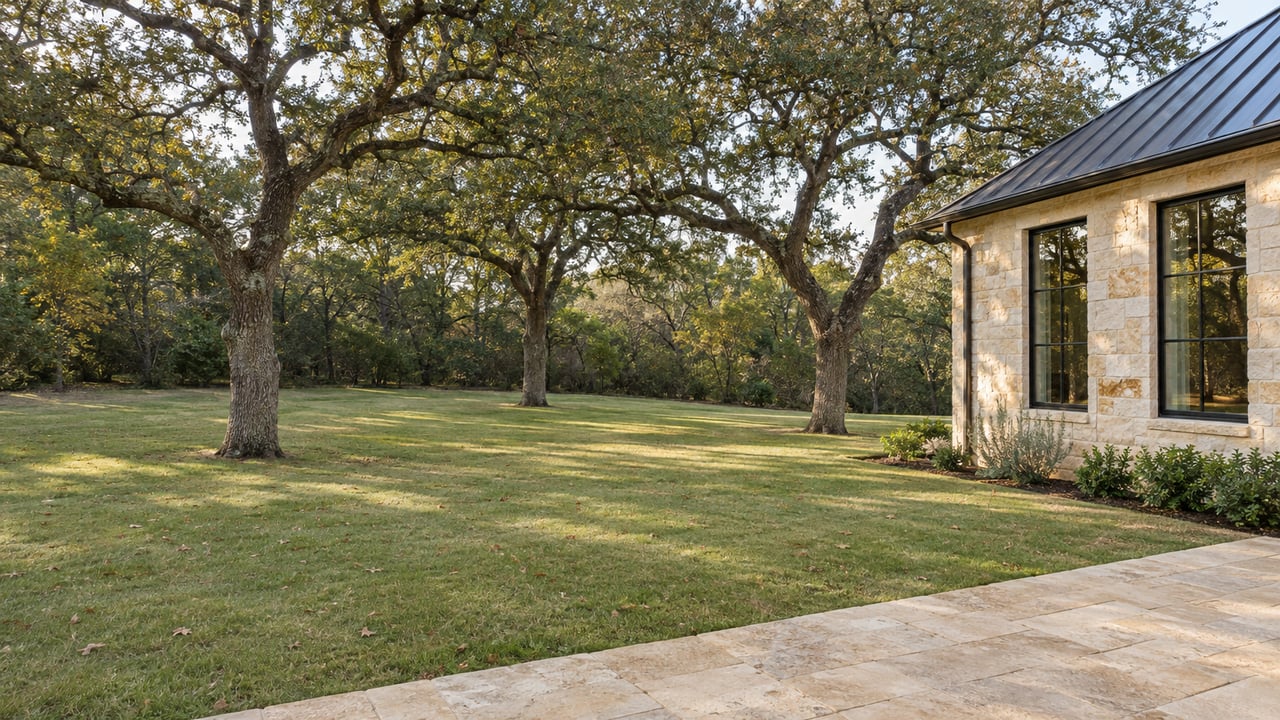
Your listing media should show the view from the rooms that matter most. Focus on the family room, kitchen, primary suite, and any spaces that naturally frame the landscape. Buyers should be able to tell, at a glance, how the scenery connects to the home’s daily living areas.
Use staging to support the windows
Staging should not compete with the view. It should help buyers see how the room works while keeping windows, natural light, and sightlines clear. According to NAR’s staging research, 83% of buyers’ agents said staging made it easier for a buyer to visualize the property as a future home.
Add floor plans and detailed captions
Floor plans help buyers understand how the home is laid out in relation to the view. Specific image captions also matter because they explain exactly what the buyer is seeing, whether that is a bluff-top terrace, river-facing living room, or sunset-facing patio. That level of detail makes the listing feel more credible and more useful.
Consider aerial and twilight media
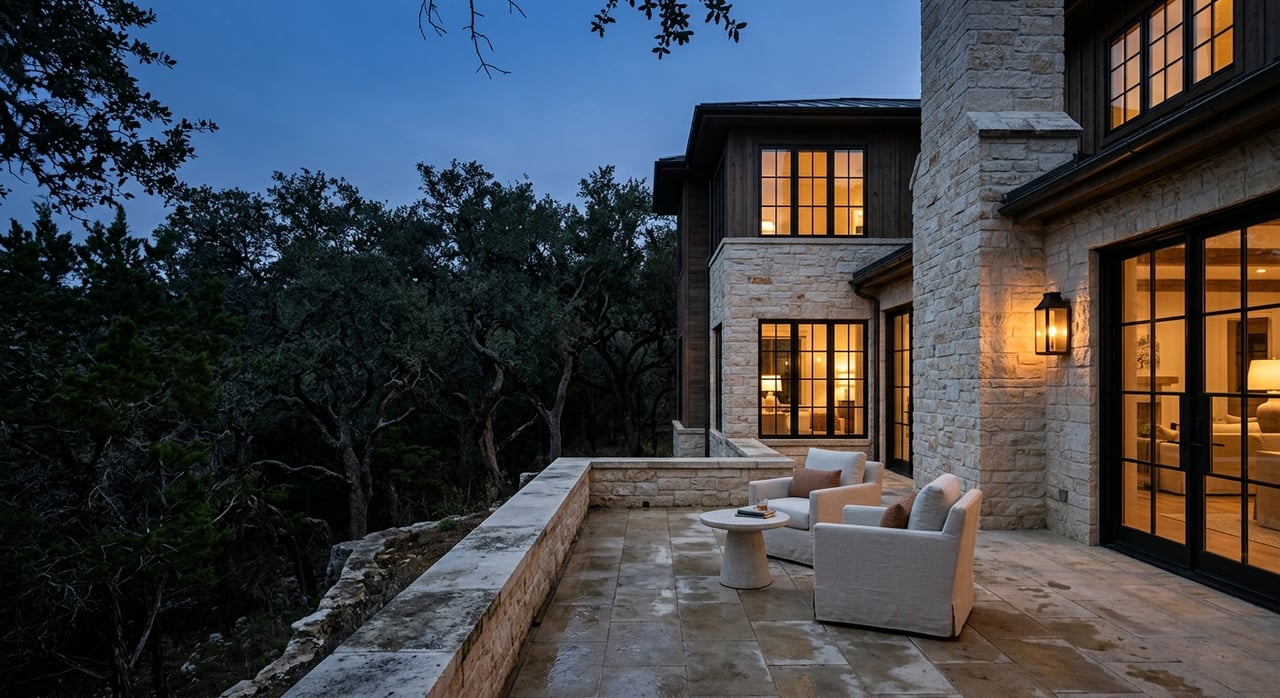
Aerial imagery can help show how the home sits on the site and how the view relates to the bluff, hillside, or river corridor. Twilight photography can also highlight terraces, outdoor lighting, and evening ambiance. If drone media is used, it should be handled as commercial drone work under the FAA’s Part 107 framework.
Questions buyers will ask
Many sellers assume the view will do all the work. In reality, buyers often ask practical questions very early in the process. Preparing for those questions can help your listing feel more polished and transparent.
Common questions include:
- Is the view likely to stay the same over time?
- Is the property in a floodplain?
- Are there drainage or erosion issues on the lot?
- Could future development affect the sightline?
- Which rooms actually capture the view best?
When you can answer these questions with clear documentation and thoughtful presentation, buyers tend to move from curiosity to confidence faster.
A smarter listing strategy for Kerrville view homes
A strong Kerrville view-home sale usually comes down to three things: document the amenity, price it with evidence, and market it visually. That sounds simple, but it takes a careful, property-specific approach. The goal is to make the value easy for buyers to understand before they ever schedule a showing.
A well-prepared listing packet may include:
- a view-specific comparative market analysis
- floodplain or site-risk documentation, if relevant
- polished photography that centers key sightlines
- aerial and twilight media when appropriate
- clear copy that names the exact amenity being sold
That kind of preparation fits especially well in a market like Kerrville, where scenic value is real but highly individualized. When the property is positioned with clarity, you give buyers a better framework for recognizing both the experience and the value of the home.
If you are preparing to sell a Kerrville view home, working with a local advisor who understands Hill Country presentation, pricing nuance, and high-impact marketing can make a meaningful difference. To start with a tailored strategy for your property, connect with Leslie Brown.
FAQs
How is a Kerrville view home priced differently from a standard home?
- A Kerrville view home is usually priced by separating the view premium from the home’s condition, quality, and site factors, then comparing it to similar properties rather than relying on broad county or city medians.
What makes a Hill Country view more valuable to buyers?
- Buyers often place more value on views that are wide, open, visible from main living spaces, and more likely to remain intact because of topography, slopes, or adjacent open land.
What floodplain questions matter when selling a Kerrville river-adjacent home?
- Buyers commonly want address-specific information about floodplain status, drainage, and erosion, so it helps to gather local floodplain details and property-specific documentation before listing.
How should you market a Kerrville home with a view online?
- The best approach is to use strong photos, clear property details, floor plans, and, when appropriate, virtual tours, video, aerial imagery, and twilight photography that show the view from the spaces buyers will use most.
Why do staging and photography matter for a Kerrville view property?
- Staging and photography help buyers understand how the view connects to everyday living, and buyer research shows that photos and staged presentation are especially useful in helping people visualize a home.
What should sellers prepare before listing a Kerrville bluff or river view home?
- Sellers should prepare a view-specific pricing analysis, polished visual media, clear marketing copy, and any relevant floodplain or site-risk information so buyers can evaluate the property with more confidence.