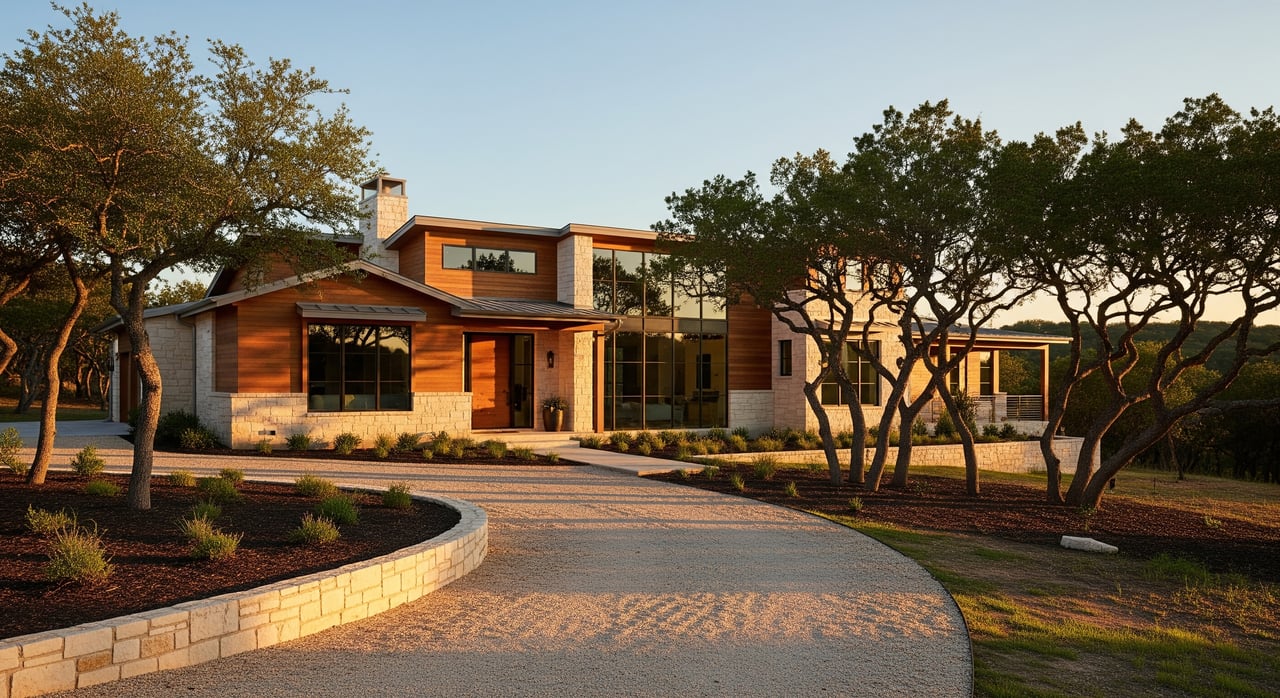
If you price a Grey Forest home by simple averages, you risk leaving money on the table or scaring away serious buyers. In this pocket of the Texas Hill Country, acreage, slope, trees, and unique architecture can swing value far beyond price per square foot. You deserve a clear way to read the comps and set a price that reflects the real market. This guide explains how to choose the right comparable sales, make smart adjustments, and avoid the pitfalls that misprice Grey Forest homes. Let’s dive in.
Why Grey Forest comps are different
Grey Forest blends hill-country terrain with a mix of larger acreage and smaller residential lots. That variability makes raw averages misleading and pushes you to focus on usability, access, and improvements.
Lot size and rural mix
Parcels often range from small residential lots to multi-acre tracts. Because land drives value, a simple price-per-square-foot for the house ignores the premium of usable acreage. Adjusting for land separately is key.
Topography and trees
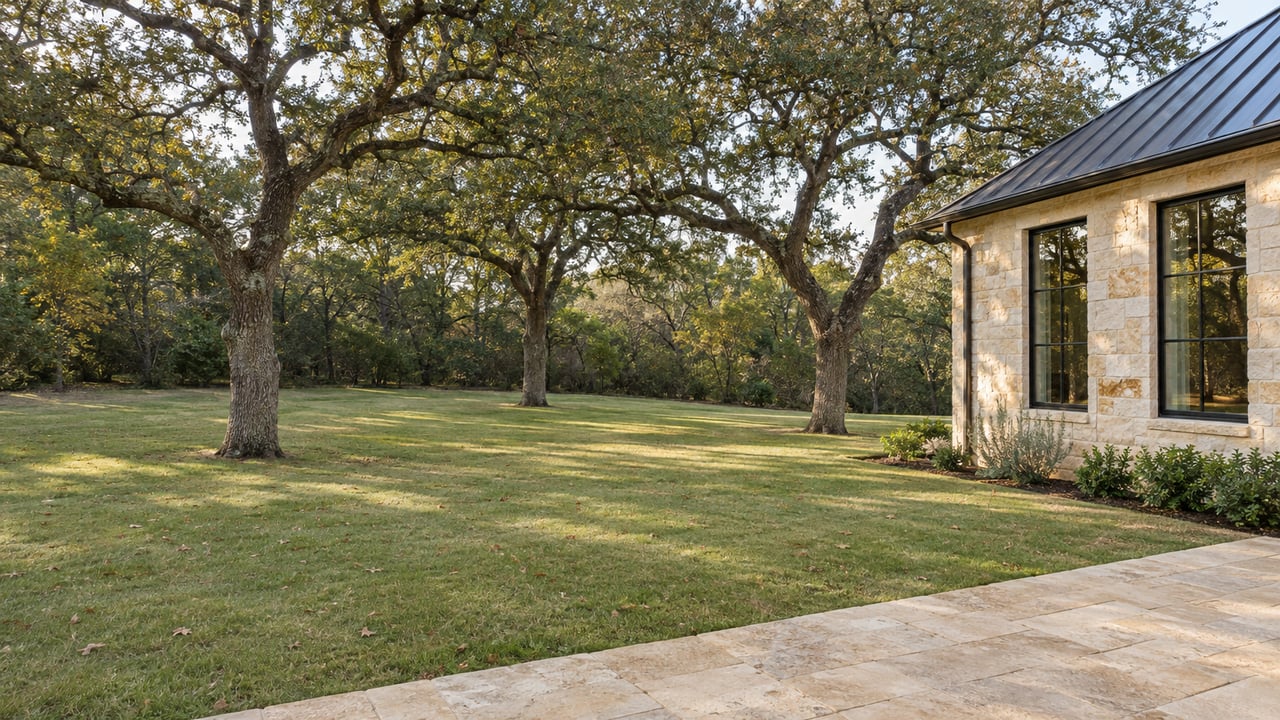
Steep slopes, rock outcrops, and heavy tree cover change how much land is actually usable. Views and privacy add appeal, but buildability and site work costs can offset premiums.
Utilities and access
Some properties rely on wells and septic systems or sit on private, unpaved roads. Utility availability and road maintenance responsibilities affect buyer demand and value, even if two homes look similar on paper.
Architecture and small samples
Custom hill-country designs, cabins, and older homes updated over time are common. With few truly similar sales at any given moment, you often need a wider search window and more judgment when adjusting.
Regulations and risk overlays
Floodplain boundaries, conservation easements, and county permitting rules shape what you can do with the land. That changes both usability and resale appeal, which should be reflected in comps.
What makes a good comp
A good comp mirrors the subject’s market reality. In Grey Forest, that means prioritizing land and site features, not just house size.
Proximity and market area
Look for sales that reflect the same market area and buyer pool. In rural or acreage settings, the “neighborhood” often follows road networks, ridgelines, and shared amenities rather than a simple radius.
Recent, arm’s-length sales
Favor the most recent sales. If volume is low, expand to 6–12 months and note any market trend when you adjust. Avoid family transfers or unusual terms unless you can account for them.
Property type and use
Compare like to like. Do not mix vacant land with improved homes without a clear land-value allocation and strong evidence.
Physical attributes that matter
Focus on beds, baths, livable square footage, effective age and condition, lot size and usable acreage, outbuildings, utilities, road access, and views. These traits drive buyer decisions here.
Market exposure and terms
Account for seller concessions, atypical financing, or distressed conditions. Those impact net price and can distort your read of market value.
Adjusting for Grey Forest value drivers
Adjustments should reflect local evidence, not national rules of thumb. When paired sales exist, use them to back up dollar adjustments.
Usable acreage vs gross lot size
Separate total acreage from usable area. A home on 5 usable acres commands a different price than the same home on a steep 0.5-acre lot. Treat excess or unusable acreage as a distinct land component.
Slope and buildability
Steep terrain and rock add site costs and reduce flexibility. Adjust for the added risk and cost, or choose comps with similar topography.
Road type and maintenance
Private, unpaved roads and shared easements can narrow the buyer pool. Reflect any maintenance obligations and access limitations in your adjustments.
Wells, septic, and utility mix
Public water and sewer, or the lack of them, influence value. Well and septic status, age, and permitting matter. Off-grid elements appeal to some buyers but not all and should be weighted accordingly.
Views, privacy, and tree cover
Ridge-top views and deep privacy often earn premiums in hill-country markets. Treat these as separate adjustments supported by local sales where possible.
Outbuildings and guest spaces
Barns, workshops, RV hookups, and guest houses add value when permitted and functional. Confirm permits and utility service to avoid over-crediting.
Restrictions, floodplain, and easements
Documented easements, conservation limits, and flood zones affect how the land can be used. Adjust for reduced usability and perceived risk.
A practical comp workflow
Use a repeatable process to reduce guesswork and improve confidence.
- Start with MLS and expand filters if needed. If sales are thin, widen the timeframe up to 12 months and follow the same ridgeline or road rather than a fixed radius.
- Prioritize land match first. Choose comps that mirror usable acreage and topography before focusing on interior square footage.
- Verify the site. Review aerials and street-level imagery to confirm slope, tree cover, access, and overall condition. Tax records show gross area but not usability.
- Separate land from improvements. Allocate value between the land premium and the home’s improvements when acreage or unique site features drive price.
- Triangulate. Combine MLS data, county records, permitting history, and recent pending activity to corroborate adjustments.
Price-per-square-foot pitfalls and a better approach
Price-per-square-foot feels simple, but it misses the Hill Country’s land realities.
- It ignores land usability, access, and utilities that drive price.
- It treats unique architecture as interchangeable when it is not.
- It overweights interior size and underweights site premiums.
A better approach: choose three to six well-matched comps, document your adjustments for land, access, utilities, views, and condition, then reconcile to a tight value range.
Seller checklist to support your price
- Bring septic and well documentation up to date; gather permits and service records.
- Improve functional access: stabilize driveways, clarify road maintenance, and mark easements.
- Highlight usable acreage, views, and permitted outbuildings with clear photos and maps.
- Disclose recent upgrades and their permits to strengthen buyer confidence.
- Prepare for buyer questions about utilities, floodplain status, and any restrictions.
Buyer checklist to sanity-check price
- Confirm utilities and system age, including well yield, septic type, and any shared arrangements.
- Ask about private road maintenance, easements, and any long-term responsibilities.
- Review topography, tree cover, and drainage to understand usable acreage and potential site costs.
- Identify outbuildings and verify permitted status and utility connections.
- Consider a local appraisal when a property is highly unique or acreage-heavy.
When to bring in a pro
If accuracy matters for negotiations or planning, consider a local residential appraisal, especially for unique acreage or custom builds. If buildability or slope stability is a concern, consult a land or civil specialist. An agent with deep Hill Country experience can also help interpret thin sales data and current buyer preferences.
Quick Grey Forest comp checklist
- Verify the sale is recent and arm’s length.
- Note gross acreage and usable acreage; map slopes and drainage.
- Confirm public utilities or well/septic and locate permits.
- Identify road type, surface, and maintenance obligations.
- Assess condition and functional utility relative to custom features.
- Treat views, privacy, and tree cover as distinct value factors.
- Confirm outbuildings and guest spaces are permitted and marketable.
- Check for flood zones and recorded easements or restrictions.
- If few comps exist, expand geographically along the same corridor and use paired-sale logic.
- Document each adjustment and the evidence supporting it.
Ready to price with confidence?
If you want a pricing strategy that reflects land, architecture, and the way buyers really shop Grey Forest, you are in the right place. Get a consultative, data-driven valuation and a clear plan to go to market. Connect with Leslie Brown to Request a Free Home Valuation.
FAQs
What is a “comp” in Grey Forest?
- A comparable sale is a recent, arm’s-length transaction for a home with similar usable acreage, access, utilities, condition, and market area, not just similar square footage.
How far back should I look for comps in Grey Forest?
- Aim for the most recent sales; if volume is low, extend to 6–12 months and apply market trend judgment while prioritizing strong land and site matches.
How do wells and septic systems affect value in Grey Forest?
- Well and septic status, capacity, age, and permits can widen or narrow the buyer pool and should be reflected as dollar adjustments supported by local evidence.
Do views and privacy add a premium in the Hill Country?
- Yes, ridge-line views and privacy often command premiums, but they should be treated as distinct adjustments and supported by local paired sales when available.
Should I get a local appraisal before listing a unique property?
- For highly unique or acreage-heavy homes, a local residential appraisal can validate land versus improvement value and support pricing and negotiation.