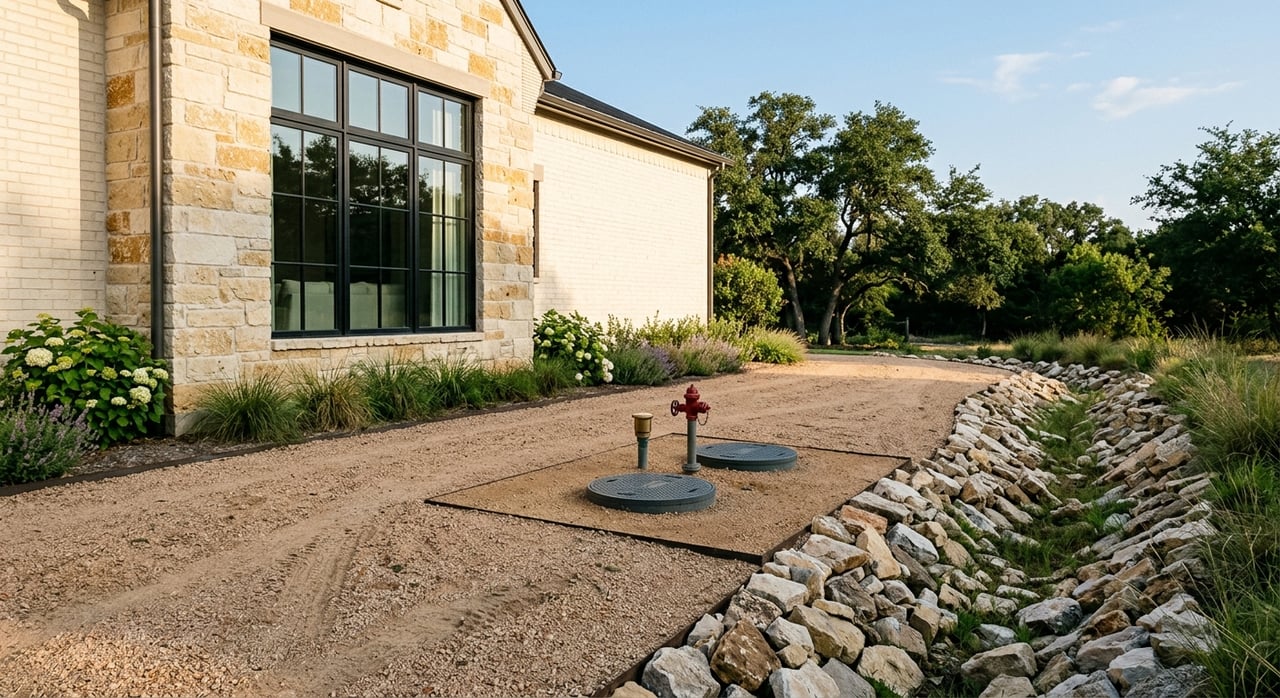
Buying land in Pipe Creek can feel simple at first glance. You see acreage, views, and room to build, and it is easy to assume the rest will work itself out. But with rural land, the real value often depends on what you can confirm about water, septic, legal access, and road conditions before you close. If you want to avoid expensive surprises, this guide will walk you through the key checks that matter most in Pipe Creek. Let’s dive in.
Why land due diligence matters
Pipe Creek is an unincorporated community in eastern Bandera County, about nine miles east of Bandera on State Highway 16, according to the Texas State Historical Association. That setting appeals to buyers looking for ranchettes, recreational land, or future homesites.
Still, rural property is not just about price per acre. A tract may look ideal on paper, yet have limits tied to wells, septic approval, flood risk, or legal access. That is why your due diligence period is where many of the most important decisions happen.
Check water before you buy
Confirm the water source
Start by asking a basic question: where will your water come from? In Pipe Creek, a tract may have an existing private well, a shared well, a community shared well, or only the possibility of drilling a new well.
The Bandera County River Authority and Groundwater District says well permits or registrations may be required unless a well qualifies as registered or exempt. The rules can vary based on tract size and plat date, so you should not assume a rural parcel automatically qualifies for a simple domestic well.
Review well records carefully
If a well already exists, ask for documents and operating details before closing. Helpful items include:
- Well log
- Well depth
- Yield information
- Pump age
- Power source
- Repair history
- Any district permit or recorded affidavit
The groundwater district states that permitted wells must be recorded with an affidavit in the county real property records. The district may also apply spacing, production, and drought restrictions, which is another reason to verify the paperwork instead of relying on a verbal description.
Understand shared well rules
If the property uses shared water, confirm how ownership and maintenance are handled. The groundwater district notes that wells serving more than 5 and fewer than 15 residential connections, when they are not public water supplies, must be permitted as community shared wells.
That means you will want to review any written maintenance agreement, access rights, and cost-sharing terms. If those details are unclear, your future use of the property may be less predictable than it first appears.
Test private well water
Even when a well seems to be working, water quality still needs attention. The Texas Well Owner Network recommends regular testing and says private well owners should test at least annually for E. coli.
This matters because well water can look and taste normal while still being contaminated. TWON also notes that wells in flood-prone areas should be cased above previous flood levels and protected so floodwater cannot enter the wellhead.
Evaluate septic and soil early
Do not assume septic will work
One of the biggest mistakes land buyers make is assuming every tract can support a standard septic system. In reality, soil conditions, slope, drainage, water table depth, and depth to bedrock can all affect whether a site is suitable.
The NRCS soil survey guidance explains that soil surveys can help evaluate septic tank absorption fields, flooding, foundations, slopes, and other site limitations. This is why reviewing current soil data through Web Soil Survey is a smart early step.
Learn the permit path
The Texas Commission on Environmental Quality states that almost all on-site sewage facilities, or OSSFs, need a permit before construction, repair, extension, or alteration. Bandera County also includes septic review in its local process.
On the county’s engineer and permits page, you can find OSSF packets, site evaluation forms, residential septic permit applications, and related development materials. That is a good reminder that septic review is part of the front-end feasibility process, not something to leave until later.
Ask about reserve area and setbacks
A site may need not only a usable septic area, but also a reserve area. That can be important if the original system layout changes or if future repairs are needed.
You should also check spacing between the septic system and any water well. TWON says a private well should be 50 feet from a septic tank and 100 feet from drain fields or spray areas, subject to local rules and construction standards.
Include permit costs in your budget
Septic feasibility is also a cost issue. Bandera County publishes permitting fees for residential OSSF permits, development permits, and plat applications.
If you are comparing land options, this is worth factoring into your total development budget. A lower purchase price does not always mean a lower overall cost to build.
Verify access and road status
Visible frontage is not enough
A road touching the property does not automatically mean you have legal access. Texas A&M AgriLife notes in Owning Your Piece of Texas that property can be landlocked without an easement or another legally obtained right of access.
That can create major problems. Title companies may refuse to insure access, and lenders may be unlikely to finance the purchase. The strongest protection is usually a written, signed, and recorded express easement.
Confirm whether roads are public or private
You will also want to determine whether the road is county-maintained, private, or shared through an easement. The Bandera County subdivision regulations define a road as a right-of-way or easement that provides vehicular access to adjacent land.
This distinction matters because maintenance responsibility can affect both cost and convenience. If a road is private, you may need to review maintenance agreements and confirm who handles repairs.
Check driveway and 911 address logistics
Before closing, look into how the property will be addressed and accessed day to day. Bandera County’s rural addressing office asks for a driveway location or GPS coordinates plus a legal description, states there is no fee for a new address, and says the process usually takes 7 to 10 business days.
The county’s development permit process also states that a 911 address must be assigned to proceed. In practical terms, that makes addressing part of your build planning, not just an administrative detail.
Pay attention to road grades
On steeper tracts, road design can affect whether a homesite is practical. Bandera County subdivision standards cap local-road grades at 12 percent and require county engineer review of proposed right-of-way.
That can influence where you place a driveway, whether culverts are needed, and how much site work may be required. A property with a beautiful view may still require significant road improvements to make it workable.
Review floodplain and site risk
Study topography and soil conditions
In Hill Country land purchases, topography can change your plans quickly. The NRCS notes that soil surveys can help identify flooding concerns, water tables, erosion risk, slope, subsidence, depth to bedrock, and clay content.
Those conditions can affect building pads, driveway placement, drainage, and septic performance. That is why a tract should be evaluated as a full site, not just a boundary line on a map.
Treat flood, drought, and wildfire as standard checks
Bandera County’s hazard mitigation plan discusses flooding, drought, and wildfire as recurring local hazards. In other words, these are not unusual edge cases for Pipe Creek buyers.
If you are buying land for a future residence, it is wise to screen for these conditions before removing contingencies. They may affect insurance, site design, and long-term maintenance planning.
Confirm floodway and flood hazard status
Bandera County’s development permit application makes flood review a clear part of the process. If a tract is in a floodway, the county may require a licensed engineer’s no-rise letter.
The same materials also note that properties in special flood hazard areas may need a final foundation elevation certificate before an OSSF license to operate is issued. That means flood status can directly affect both your building timeline and your septic approval path.
Use a practical offer checklist
When you are evaluating land in Pipe Creek, it helps to stay organized. A simple checklist can keep you focused on the items most likely to affect value and usability.
Pipe Creek land checklist
- Order the title commitment, survey, and deed review
- Confirm recorded easements and legal access
- Verify whether roads are county-maintained, private, or shared
- Review existing well records or confirm new-well feasibility
- Ask for water testing and any recorded well permit or affidavit
- Pull soil data and ask about septic site evaluation and reserve area
- Review floodplain, slope, drainage, and wildfire exposure
- Check permit steps with the county engineer and permits office
- Confirm 911 addressing and driveway logistics before closing
In many land transactions, timing matters almost as much as the findings themselves. During your option period, coordination between the title company, surveyor, groundwater district, county offices, and septic professionals can make a major difference.
Work through the process with clarity
Buying Pipe Creek land can be a smart move, but the right tract is the one that fits your goals on paper and in practice. Water, septic, legal access, road design, and site risk all deserve careful review before you commit.
If you are considering acreage in Pipe Creek or elsewhere in the Hill Country, working with an experienced local guide can help you ask the right questions in the right order. When you are ready to talk through land opportunities with a consultative approach, connect with Leslie Brown.
FAQs
What water checks should you make before buying land in Pipe Creek?
- Confirm whether the tract has an existing well, shared well, or only the potential for a new well, and verify any permit, affidavit, well log, depth, yield, and water testing information with the Bandera County River Authority and Groundwater District.
What septic questions matter most for Pipe Creek land?
- Ask whether the tract has current soil data, a site evaluation, a usable septic area, a reserve area, and a realistic permit path through Bandera County before you move forward.
What legal access documents should you review for Pipe Creek acreage?
- Review the title commitment, survey, deed, and any recorded express easements so you can confirm the property has legal access rather than relying on visible road frontage alone.
What road issues can affect buildability in Pipe Creek?
- Road maintenance status, driveway location, grade, drainage needs, and whether the access route is public, private, or shared can all affect cost and feasibility.
What floodplain concerns should you check on land in Bandera County?
- You should confirm whether the tract falls in a mapped flood hazard area or floodway because that may affect building plans, septic approval, permit requirements, and engineering review.
What county offices are involved in Pipe Creek land due diligence?
- Common points of coordination include the county engineer and permits office, rural addressing office, groundwater district, title company, surveyor, and septic professionals.