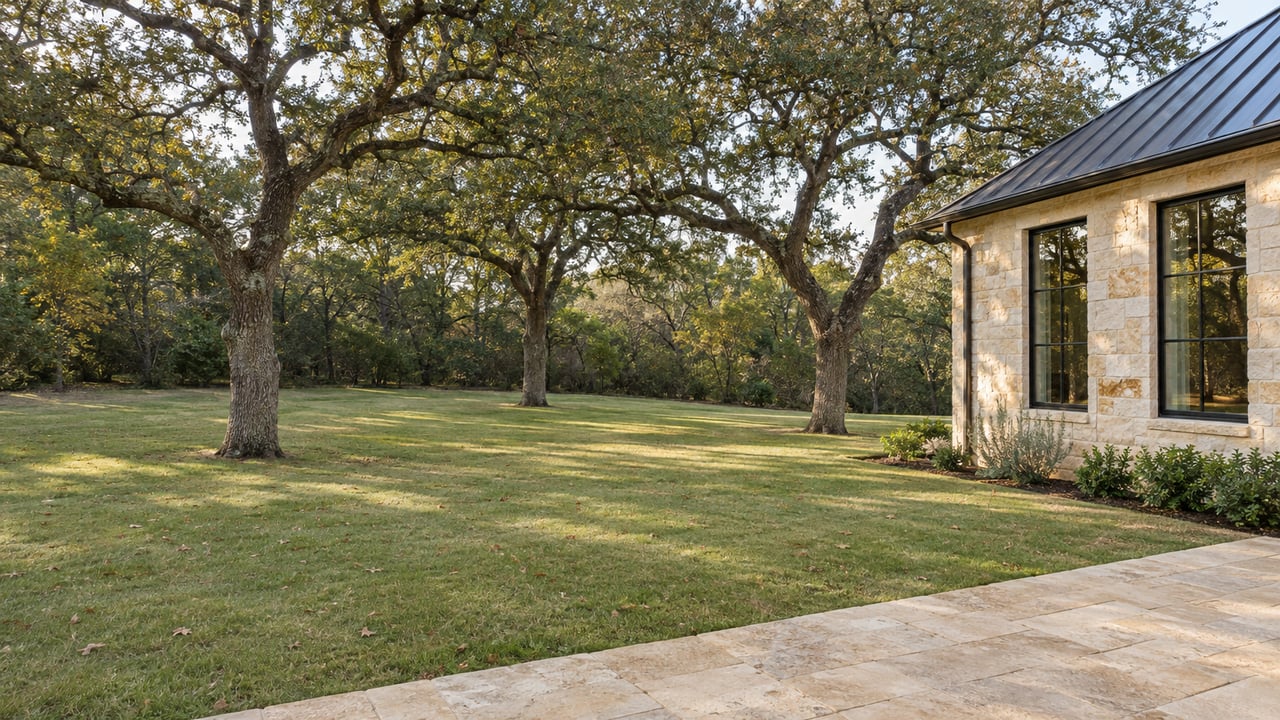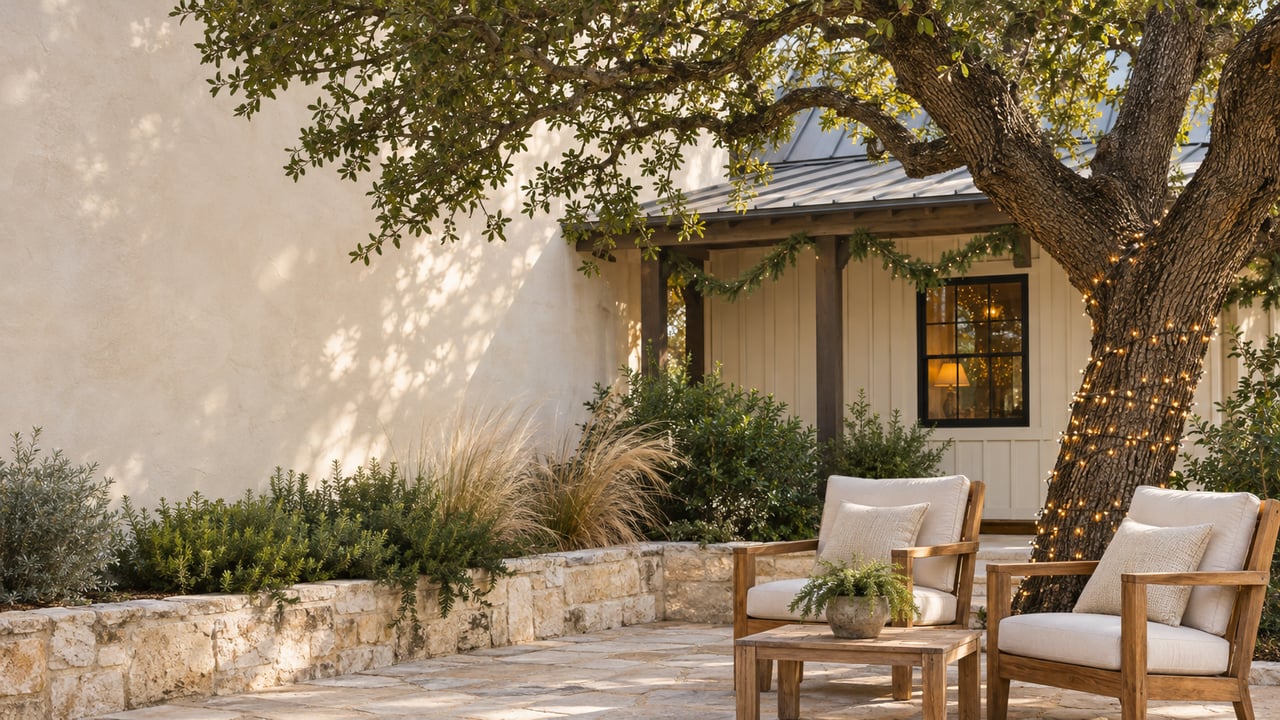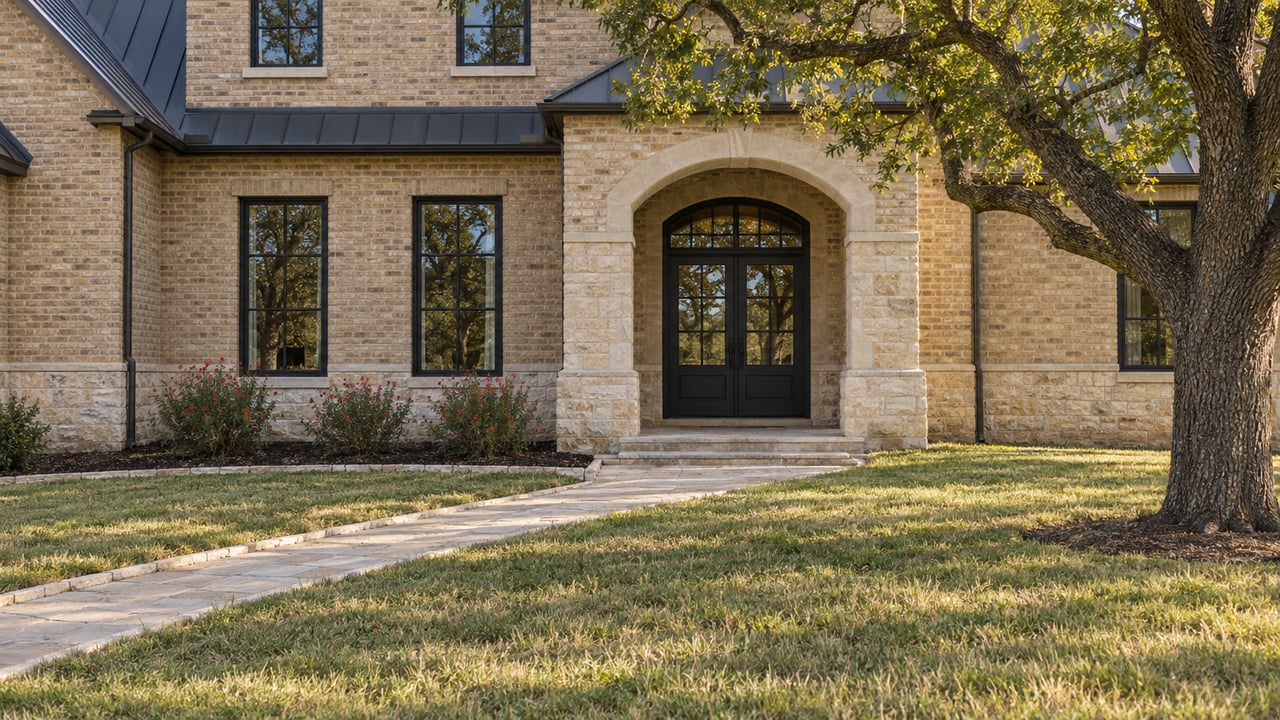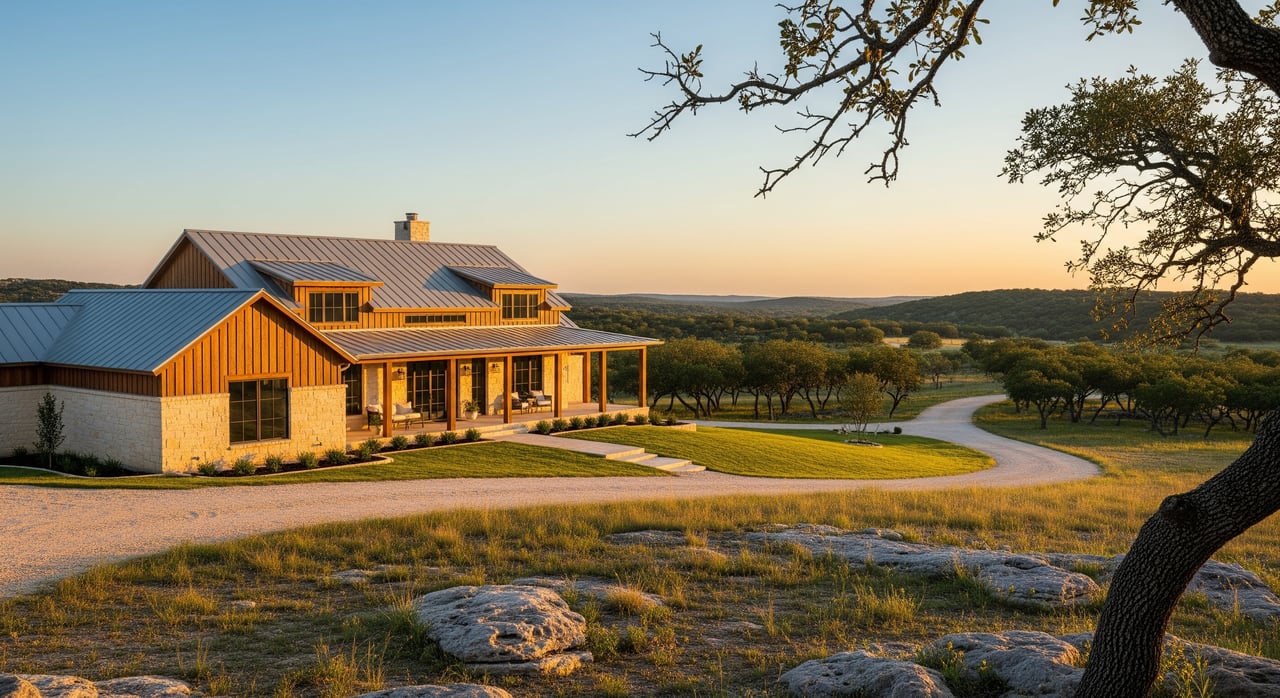
Picture your custom Hill Country home tucked among the oaks near Bandera, with room to breathe and a sky full of stars. The dream is clear, but the financing can feel confusing, especially on acreage with wells and septic. You can do this with the right loan and a few local steps. This guide breaks down your financing options and the Bandera-specific checks lenders expect so you can move from idea to build with confidence. Let’s dive in.
What lenders check in Bandera
Before approving a construction or land loan, lenders want to see that your site can support a finished home that will appraise and meet local rules. Around Bandera, that means confirming water, wastewater, access, and any floodplain factors.
- Septic and on-site sewage facilities: The Bandera County Engineer and Permits office manages OSSF guidance, forms, and septic permits. Many lenders want an approvable septic plan before funding draws or before final occupancy. Review the county’s OSSF resources early at the county’s Engineer and Permits page. (Bandera County Engineer / Permits)
- Wells and groundwater: Bandera County River Authority and Groundwater District sets well registration and permitting, spacing, and production limits. Lenders often ask for confirmation that a well is permitted or can be permitted. Start with district rules and call with your parcel details. (BCRAGD well permitting)
- Floodplain and access: Parcels near the Medina River or Medina Lake may have floodplain rules that affect foundations and insurance. Driveway or access approvals may also be required. The county engineer’s office handles floodplain and development permits. (Bandera County development permits)
- Deed restrictions and subdivisions: Confirm recorded restrictions and any HOA rules. Lenders sometimes require minimum lot sizes or recorded plat approvals.
Main loan paths for acreage builds
Construction-to-permanent loans
A single-close loan funds construction by draws, then converts to a regular mortgage when the home is complete. You typically make interest-only payments during the build, then the loan converts to full principal and interest at completion. This can be the most streamlined route if a local bank or credit union offers it. (Construction loan basics)
- Pros: One closing, interest-only during construction, fewer moving parts.
- Consider: Often higher credit standards, reserves, and about 20 to 25 percent down unless a government program applies.
Two-close construction then refinance
A stand-alone construction loan funds the build, then you refinance into a permanent mortgage after completion. Terms are usually 6 to 18 months with interest-only payments during construction. You will have a second closing when you refinance. (Construction loan basics)
- Pros: Flexibility to shop for the best permanent loan later.
- Consider: Two closings and potentially higher short-term rates during the build.
FHA construction-to-permanent
FHA insures certain one-time-close construction loans through participating lenders. Down payments can be as low as 3.5 percent for qualified borrowers. FHA has specific inspection and property standards, and lender availability varies by market. Review FHA program guidance and ask lenders if they actively offer this option. (FHA Single Family programs)
- Pros: Lower down payment potential.
- Consider: More inspections and lender overlays, and not all lenders offer it.
VA construction and permanent loans
Eligible veterans can use VA-guaranteed construction-to-permanent loans through approved lenders. Many borrowers can build with little or no down payment if the lender offers this product. Lender experience with VA construction is important because draws, inspections, and Notice of Value steps must be handled correctly. (VA Lenders Handbook)
- Pros: Potentially no down payment for eligible veterans.
- Consider: Fewer lenders offer VA construction, so start your lender search early.
USDA loans for rural Bandera
USDA supports single-close construction-to-permanent loans in eligible rural areas through participating lenders. Many parts of Bandera County may qualify, subject to income limits and property eligibility. Always check the exact address on USDA’s site before you plan on this option. (USDA Guaranteed Loan Program)
- Pros: Up to 100 percent financing for eligible borrowers and properties.
- Consider: Income and location limits apply, and the lender must participate.
Land or lot loans
If you want to secure your acreage first, a land or lot loan can work. Down payments are usually higher for raw or unimproved land, often 20 to 50 percent, with shorter terms. You can later roll the land into a construction-to-perm loan or use land equity as part of your down payment at construction closing. (Land loan overview)
VLB options for Texas veterans
The Texas Veterans Land Board offers land loans up to $150,000 with a minimum 5 percent down for tracts at least 1 acre. VLB also offers home and home-improvement programs. Many veterans buy land with a VLB loan, then move to a construction-to-permanent loan later. Confirm current limits and terms directly with VLB. (Texas VLB land loans)
Private or seller financing
When traditional lenders will not fund a build, some buyers use seller financing or specialty portfolio lenders. Expect different underwriting, higher rates, or additional fees. This path can bridge unusual site or owner-builder scenarios.
How to choose the right loan
Pick based on your cash, timeline, and eligibility:
- Cash and reserves: Conventional construction and land loans often need 20 to 25 percent down, plus reserves and contingency funds. (Construction loan basics)
- Eligibility: Veterans should compare VA and VLB options. If your parcel is USDA eligible and your income fits, you may reduce cash needed.
- Lender availability: Not every lender offers FHA, VA, or USDA single-close construction. Ask lenders upfront which programs they actively originate.
- Site readiness: A clear plan for septic and water can make or break approval. Line up your OSSF and well steps early in Bandera County.
Step-by-step checklist for Bandera builds
- Confirm deed, plat, and any restrictions. If in a subdivision, review HOA rules.
- Check USDA property eligibility if you want zero-down options. (USDA Guaranteed Loan Program)
- Call the Bandera County Engineer and Permits office for septic packet, floodplain rules, and development permit steps. (Bandera County Engineer / Permits)
- Contact BCRAGD to confirm well registration or permit needs, spacing, and production limits. (BCRAGD well permitting)
- Hire site pros: a registered site evaluator for septic soils and a licensed well driller or hydrologist for water capacity estimates.
- Select a builder and get a fixed-price contract, plans and specs, schedule, and a contingency budget.
- Talk to multiple lenders about one-time close versus two-close, whether land equity counts toward your down payment, and draw schedules. Bring your plans, builder contract, site reports, proof of access and utilities, and evidence of reserves.
Timeline and payments
Most construction loans use interest-only payments during the build. After final inspection or certificate of occupancy, your loan converts to a standard mortgage and principal payments start. For two-close structures, you refinance into the permanent loan at completion. (Construction loan basics)
Avoid common roadblocks
- No permitted water or an approvable septic plan.
- Unclear access, driveway approvals, or floodplain issues.
- Builder not acceptable to the lender or no fixed-price contract.
- Insufficient reserves or a budget without contingency funds.
Ready to turn your Bandera acreage into a home? With the right plan, a qualified builder, and a lender who understands Hill Country construction, you can build with confidence. If you want a local guide to help you evaluate parcels, coordinate due diligence, and connect with experienced lenders and builders, reach out to Leslie Brown.
FAQs
Are USDA loans available for Bandera acreage builds?
- Many areas of Bandera County may be USDA eligible, but you must verify the exact parcel on USDA’s site and meet income limits before planning on 100 percent financing. (USDA Guaranteed Loan Program)
How much down payment is typical for construction loans near Bandera?
- Conventional construction-to-permanent loans often require about 20 to 25 percent down, plus reserves and contingency funds, while FHA, VA, or USDA may allow lower or zero down where eligible. (Construction loan basics)
Can I buy land now and build later in Bandera County?
- Yes, but land loans usually need larger down payments and shorter terms; you can often roll the land into your construction-to-permanent loan or use land equity at closing. (Land loan overview)
What septic and well steps do lenders expect in Bandera?
- Lenders commonly ask for an approvable septic plan and clear well permit or registration path; contact the county’s OSSF office and BCRAGD early for requirements and spacing rules. (Bandera County Engineer / Permits, BCRAGD well permitting)
I am a Texas veteran. What are my land options?
- The Texas Veterans Land Board offers land loans up to $150,000 with at least 5 percent down for tracts of 1 acre or more, and you can later use a construction-to-permanent loan to build. (Texas VLB land loans)